


Eu sou uma imagem

International training:

Restorative Practices in the Workplace: Principles, Systems and Case Studies

A multicultural exploration of principles and tools for healthier, more collaborative and relational workplaces.

With Laraine Mickelson (USA) and Samuel Johann (Brazil)
Special Guests: Kay Pranis (USA),  Stacy Crawford (USA), Sara Beauchêne (USA) e Marty Bosch (USA)

April 18th, April 25th and May 9th

08:00–12:00 | 13:00–16:00 Minnesota / Chicago (Central – UTC-5)

Online via Zoom

Simultaneus interpretation: English and Portuguese. 
Interpreters:
Larissa Nonnemacher and Augusto Chiarelli

Equivalent Times Across the Americas:

São Paulo (UTC-3)
10:00–14:00 | 15:00–18:00
New York / Toronto (Eastern – UTC-4)
09:00–13:00 | 14:00–17:00
Denver (Mountain – UTC-6)
07:00–11:00 | 12:00–15:00
Los Angeles / Vancouver (Pacific – UTC-7)
06:00–10:00 | 11:00–14:00

Eu sou uma imagem

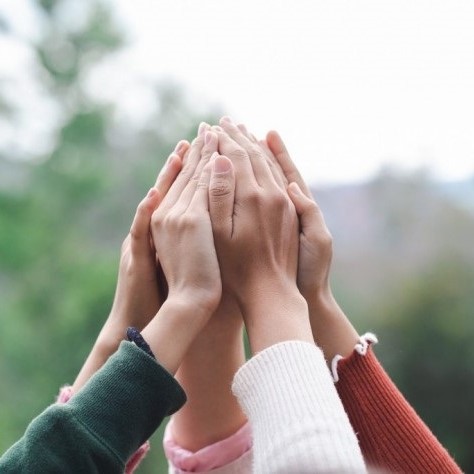
Collective Wisdom Across Cultures

One space, multiple nationalities and experiences.

Eu sou uma imagem

An Experiential Journey

Building from frameworks brought by the instructors and the lived experience of all participants. 

Eu sou uma imagem

Only 15 seats

In a small group, we prioritize the quality and depth of our exchange.

Five Module Workshop:


1. Building Our Relationships:
Setting the foundation for our multicultural environment. 

2. Principles that Build Restoratives Practices in the Workplace:
Building shared understanding of RP key principles, values, structures that support a restorative conflict management system in the workplace.

3. Change Management:
Understanding the culture shift from old habits such as avoidance or top-down resolution to a more relational, collaborative and transparent approach.

4. Designing a Restorative Workplace System:
A review of policy, structures, skill, support mechanisms, and conflict response continuums.

5. Exploring Conflict Response Systems:
Through restorative case studies, participants practice applying restorative tools to workplace scenarios. 


Optional check in session 

Before the training takes place, we offer the opportunity to meet so you can share your needs and expectations. Those will help us fine-tune the training approach and content.


English Speaking participants:
31 March, from 4-6pm. Minnesota / Chicago (Central – UTC-5)

Portuguese Speaking participants:
01 April, from 7-9pm. São Paulo (UTC-3)

Requirements

All levels of knowledge and practice on Restorative appoaches are welcome!

Training Approach

Training held in Circle, alternated with moments of content sharing by the instructors, discussions in small groups, journaling and homework.

Certification

21-hour Certificate of Participation granted upon:

- A minimum of 75% attendance in the live sessions.
- Timely submission of the written homeworks.

Meet the Instrutors & Guests

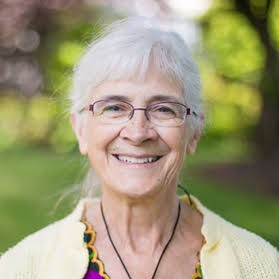
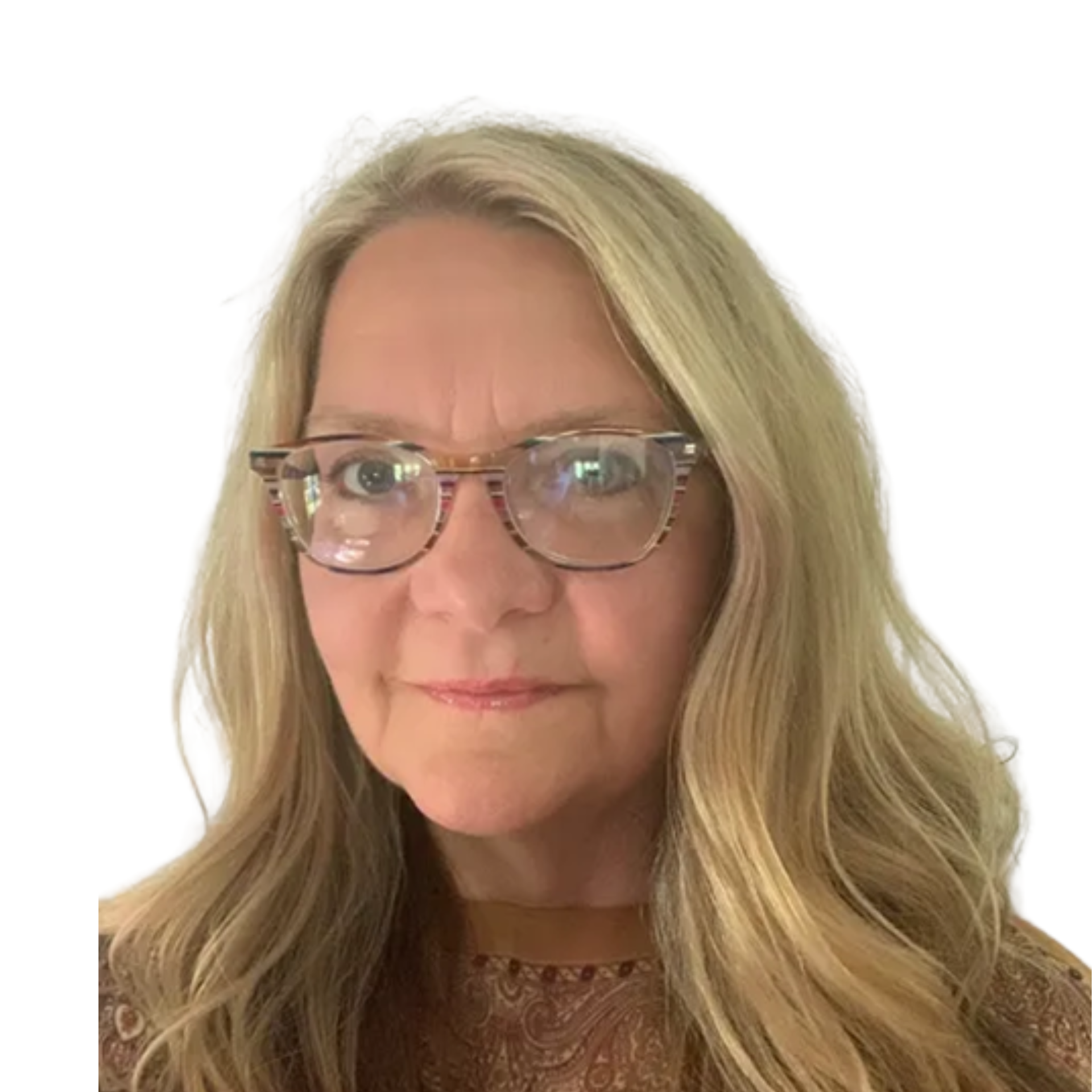
Laraine Mickelson (USA): with over 25 years of experience in the field of Conflict Management Laraine has designed, implemented and written policy for a variety of programs, including full-spectrum Integrated Conflict Management Systems for the State of Minnesota and justice programs for state and county agencies including juvenile diversion programs, sentencing circles for felony level crimes, transition programs for incarcerated people, and CREST (Conflict Resolution, Education and Skill Training), a peer mediator program for incarcerated people.


Within the field of education, she specializes in Restorative Practices whole-school implementation models, training in school conferencing, mediation, and circle as well as consulting on staff conflict. She has served as an adjunct professor at the University of Wisconsin, Superior and Fond-du-Lac Tribal and Community College.


Laraine has been awarded the MN Dept. of Corrections Person of the Year, Carlton County Restorative Justice Volunteer of the Year, is co-recipient of the Minnesota Corrections Association President’s award and the Minnesota Association for Alternative Programs school of the year award.


Laraine is committed to bringing forward restorative philosophy to schools, justice systems, workplaces, and communities. 
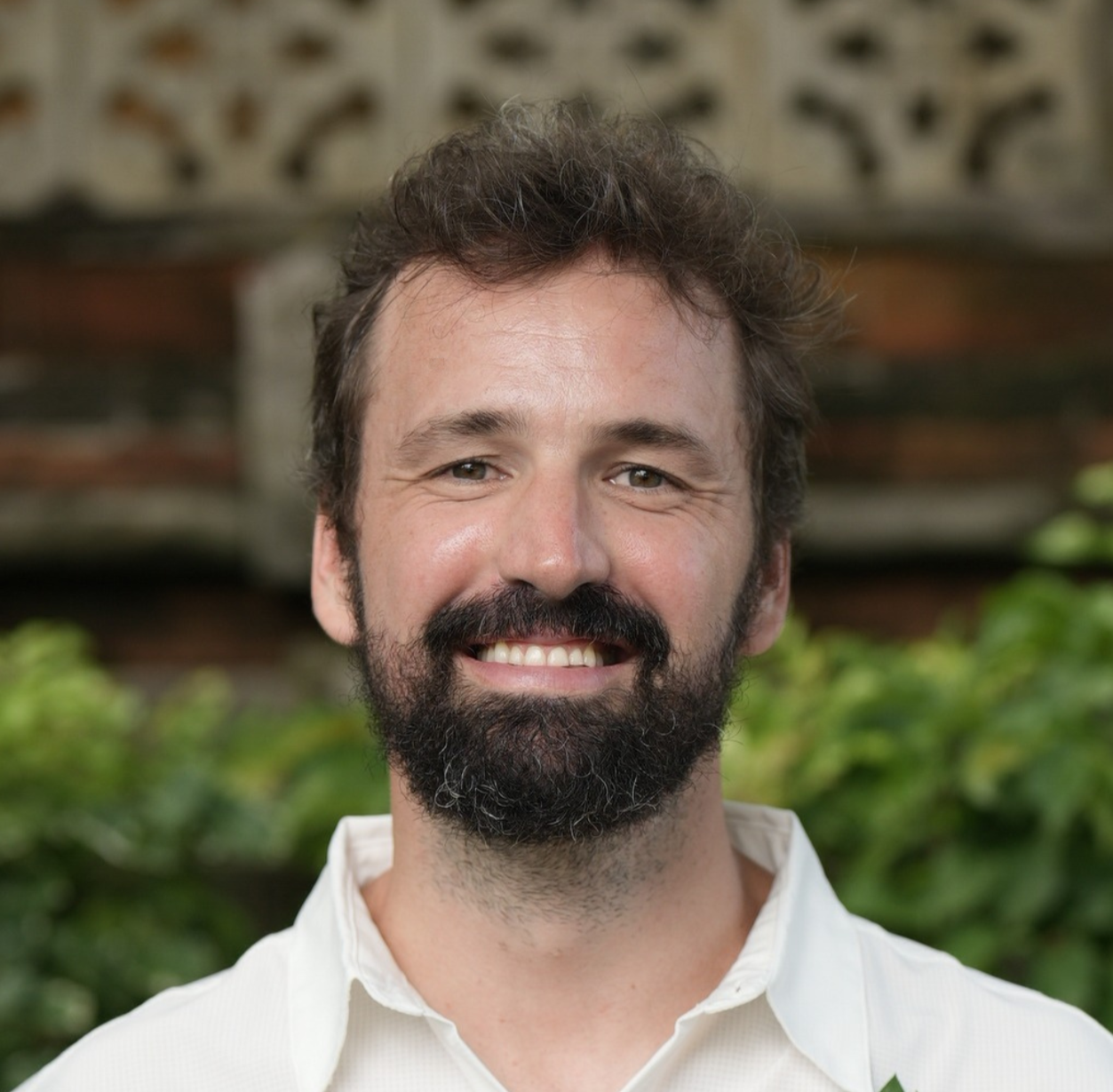
 Samuel Johann (Brazil) is a Peacemaking Circles keeper and trainer under the direct and ongoing mentorship of Kay Pranis (USA).

He brings over 11 years of experience working in crisis, war, and disaster contexts across 15 countries. His work includes dialogue and negotiation with armed groups and governments, leadership of high-performance multinational and multidisciplinary teams, and management of long-term programs and emergency responses in high-risk and volatile environments.

In Brazil (his home country), he supports public, private, and community stakeholders in dialogue-based interventions focused on collective care, strategic management and conflict transformation, including emergency and disaster situations.


He holds a specialization in Peace Studies and Conflict Transformation from Instituto Paz e Mente (Brazil), with support from the UNESCO Peace Chair (Austria), and in Emotional Management in Organizations / Cultivating Emotional Balance from Instituto de Ensino Albert Einstein (Brazil). He is accredited as a Leadership Mentor by the European Mentoring and Coaching Council (Belgium).

Kay Pranis (USA)  teaches and writes about the dialog process known as peacemaking circles. Kay learned about peacemaking circles in her work in restorative justice in the mid-90s. From 1994 – 2003 Kay held the position of Restorative Justice
Planner at the MN Dept of Corrections.


Her initial teachers in the circle work include Barry Stuart, a judge in Yukon, Canada, and Mark Wedge, a member of the Tagish/Tlingit First Nation. Tahnahga Yako has been an important on-going mentor for her practice. Since that initial exposure to the use of peacemaking circles in the criminal legal system, Kay has been involved in developing the use of peacemaking circles in schools, social services, churches, families, museums, universities, municipal planning and workplaces.


Kay has authored or co-authored several books about circles: Peacemaking Circles - From Conflict to Community; The Little Book of Circle Processes – A New/Old Approach to Peacemaking; Doing Democracy with Circles – Engaging Communities in Public Planning; Heart of Hope – A Guide for Using Peacemaking Circles to Develop Emotional Literacy, Promote Healing & Build Healthy Relationships; Circle Forward – Building a Restorative School Community. Kay works primarily as a trainer in the peacemaking circle process. She is also an adjunct professor at Eastern Mennonite University.


Kay has a particular interest in the use of circles to support social justice efforts addressing racial, economic, class and gender inequities. That interest includes the use of peacemaking circles to understand and respond to historical harms to
groups of people.


The peacemaking circle process has been a source of energy, inspiration and continuous learning for Kay for the past 25 years.

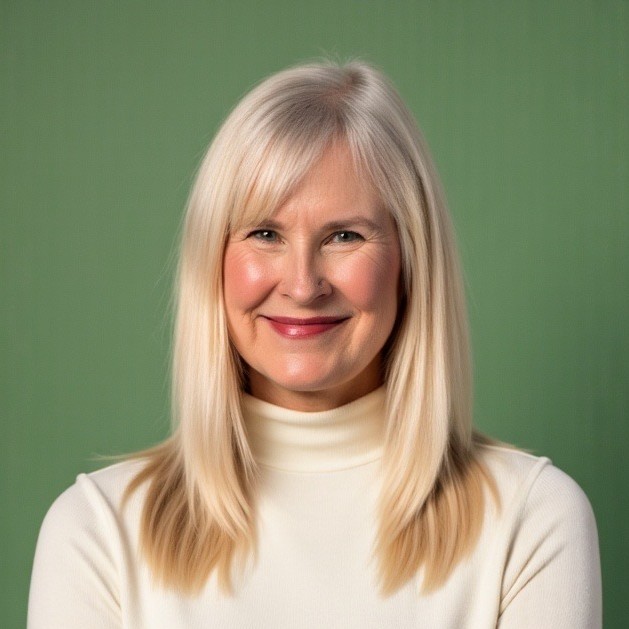
Stacy Crawford (USA), M.S.Ed., PCC, is the founder of Klear Water Coaching & Wellness LLC, a leadership coach and team facilitator known for helping people cut through noise and reconnect with what is true, steady, and life-giving.

Her work began in higher education, where she designed and led strengths-based initiatives that increased retention, engagement, and a sense of belonging. This foundation continues to shape her approach: practical, human-centered, and focused on helping people recognize and use their natural strengths.


With over 20 years of experience, Stacy integrates leadership coaching with embodiment practices and inner development, supporting leaders navigating complexity, transition, and growth. Her work cultivates self-trust, clarity, and the ability to lead with presence rather than performance.


Through coaching engagements, immersive workshops, and keynote speaking, Stacy invites individuals and teams to lead with alignment, authenticity, and purpose.


In this training, Stacy will lead the session “Regulate to Communicate,” exploring how self-regulation is the foundation for intentional and effective communication. Through a blend of science, reflection, and experiential practice, participants will learn to recognize signs of dysregulation, shift from automatic reactions to thoughtful responses, and communicate in ways that build trust — even in moments of stress, conflict, and uncertainty.

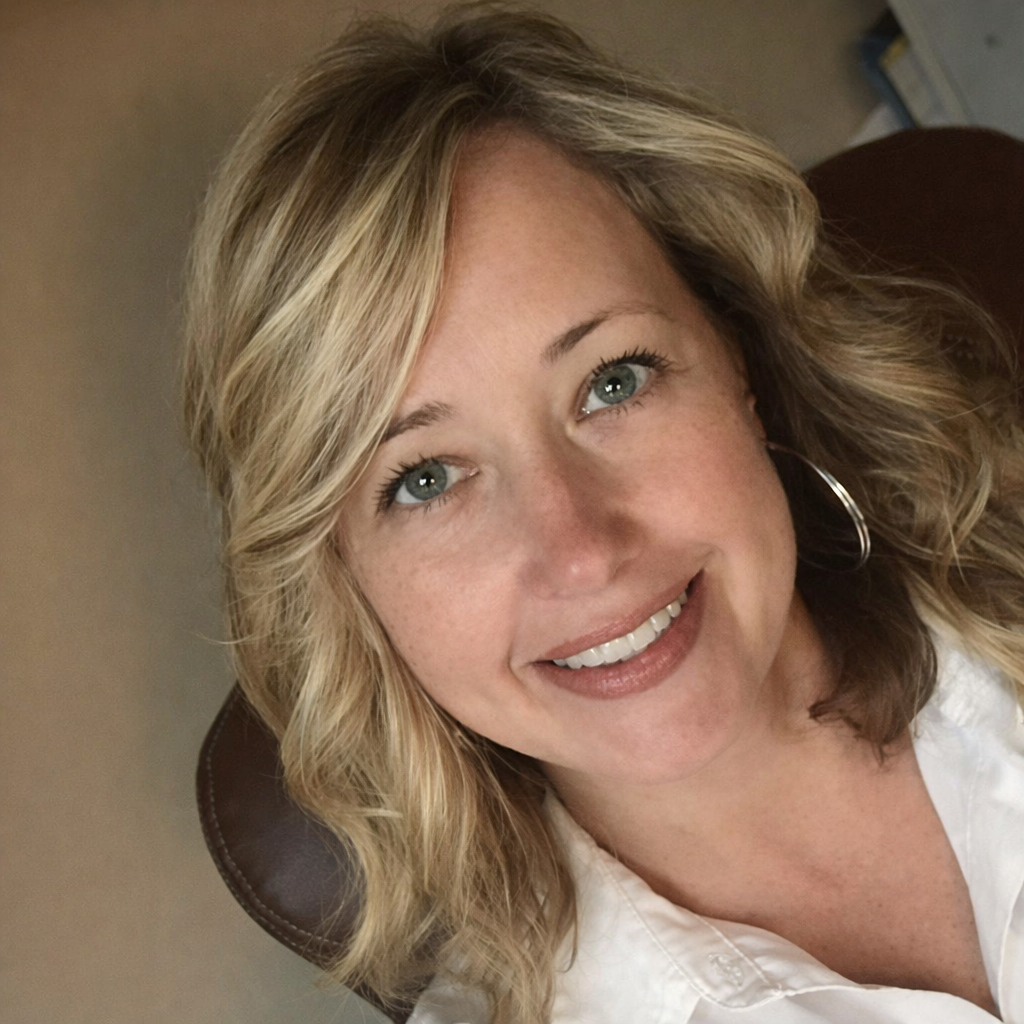
Sara Beauchêne (USA) is a neuro-relational systems thinker, student of restorative justice, and founder of TrueNorth Fieldworks. Her work explores essential questions about connection, orientation, and how people navigate moments of conflict, examining the relational, neurological, and systemic forces that shape human experience.


Professionally, Sara is a leader in disability healthcare policy with the Minnesota Department of Human Services, helping build systems that advance inclusion, access, informed decision-making, and person-centered practice. Her experience spans advocacy, public policy, conflict resolution, restorative practices, and systems consultation.


As a neurodivergent person (AuDHD) who has also navigated a return to work following a head injury, Sara brings lived experience to her work, grounding her practice in real-world insight and resilience. Her navigational framework centers on Orientation, Bearing TrueNorth, Restorative Passages, Fieldnotes, and Maps & Tools.


Sara will lead the session Neurodiversity in Conflict Resolution, which reframes conflict as a moment of orientation—where difference is not something to overcome, but something to understand.

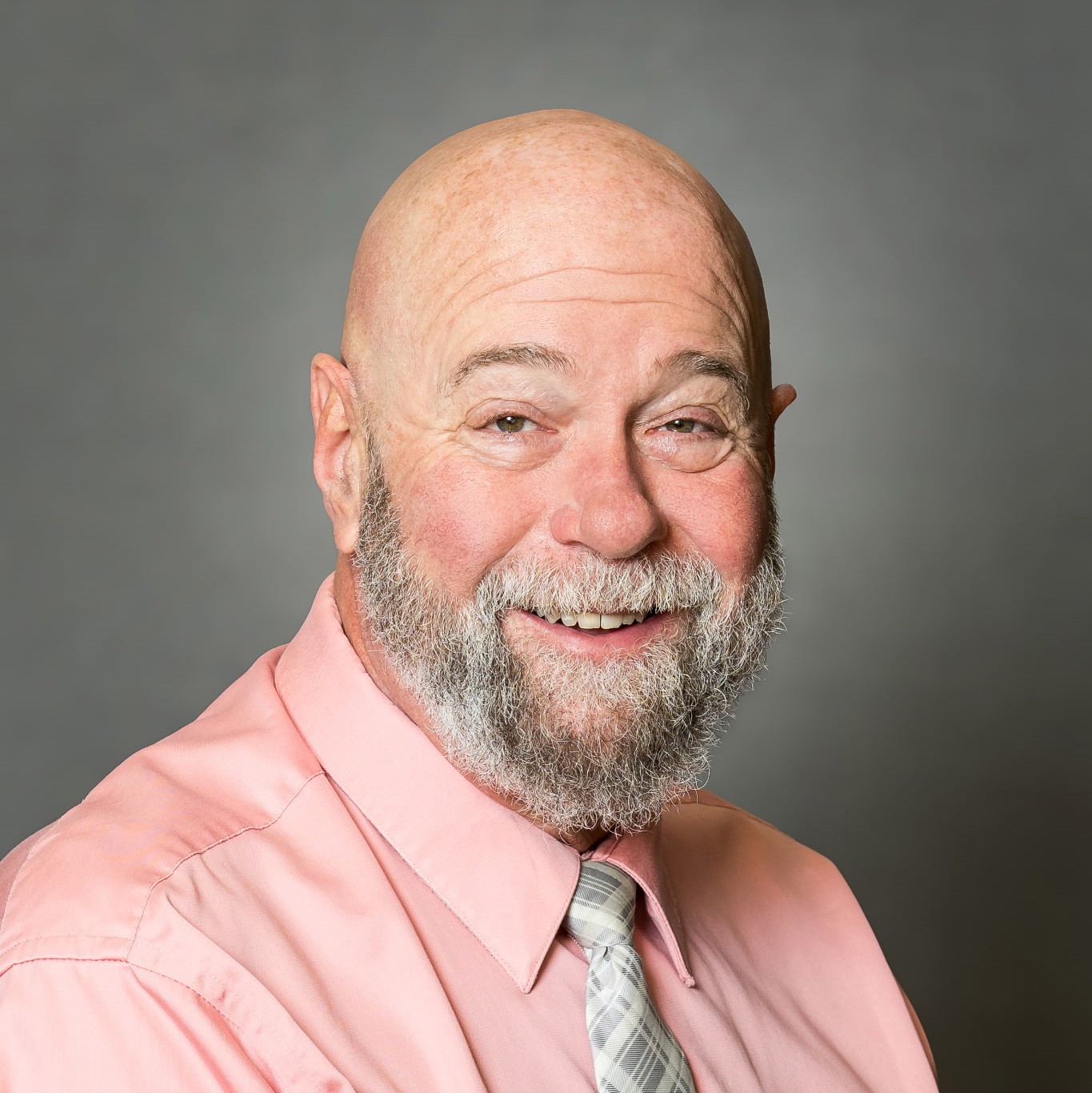
Marty Bosch (USA) is a Registered Nurse Administrative Supervisor responsible for nursing operations and administrative oversight. He is known for his practical, no-nonsense leadership style.


A 13-year veteran of the United States Army as a Combat Engineer, Marty also has more than 30 years of service within the State of Minnesota system. He began his career as a Human Services Technician at Brainerd State Hospital and advanced through several roles, including LPN, RN, RN Supervisor, and his current leadership position.


In 2019, Marty joined the DCT ICMS Facilitator Team and has since played a key role in developing and sustaining site-based ICMS Core Teams (Ambassadors), serving as both leader and champion of these efforts.


Marty is passionate about servant leadership, teamwork, and patient advocacy, and is widely respected as a mentor to nurses across Minnesota.


During this event, Marty will lead a session sharing his real-world experience facilitating meetings and conflict engagement processes within Integrated Conflict Management Systems (ICMS).

Voices from our Community

Eu sou uma imagem

Co Essência Institute was fundamental in creating solid ground on which we could move forward.

Silvana Vasconcelos

Professor, Mediator and Restorative Justice Instructor.

Eu sou uma imagem

Co Essência Institute has greatly contributed through peer supervision and ongoing support to the restorative justice community and its facilitators, helping us continue to believe in the importance of these practices.

Flávio Cavalcante

Military Police Officer, Researcher and Restorative Justice Instructor.

Eu sou uma imagem

Co Essência embodies the power of the restorative practices — with sensitivity and the understanding that we walk this path in communion.

Joseane Azevedo

Lawyer, Professor, Mediator and Restorative Justice Practitioner.

Register now!

500 USD paid in full

or in installments by credit card

Waiting list for next rounds

If enrollment for this training is full, register in our waiting list.

Questions or need of support?

© 2026 Instituto Co Essência. All rights reserved.